English
Reading at Asterdale
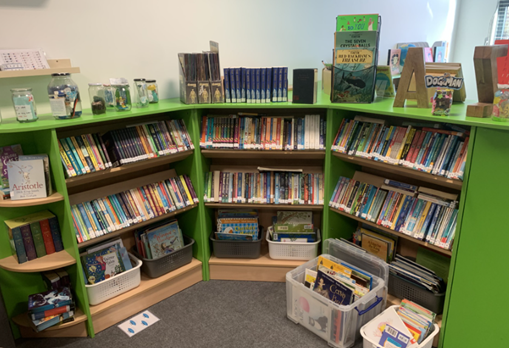
Phonics
Little Wandle Letters and Sounds Revised
At Asterdale Primary School, we use Little Wandle Letters and Sounds Revised to teach early reading and phonics. This is a systematic and synthetic phonics programme that is fully aligned with the expectations of the National Curriculum and the Early Years Foundation Stage.
Children begin learning phonics in Nursery and Reception, where they are taught to recognise sounds (phonemes), link them to letters (graphemes), and blend sounds together to read words. Lessons are taught daily and are fast-paced, engaging and carefully structured to build children’s confidence and fluency in reading.
Alongside phonics lessons, children read fully decodable books that are closely matched to the sounds they know. This ensures that they can practise and apply their learning successfully. Regular reading practice sessions help children develop accuracy, fluency and comprehension.
For any child who may need extra support, timely interventions are put in place to help them keep up rather than catch up. As children progress, they move from learning to read to reading to learn, developing a love of books and reading for pleasure.
We work closely with parents and carers, providing guidance and resources to support reading at home. By using Little Wandle, we aim to ensure that every child becomes a confident, capable reader with strong foundations for future learning.
Reading beyond Phonics
 At Asterdale, we use Comprehension Crushers, part of the Grammarsaurus reading scheme, to develop children’s reading fluency and comprehension skills from Year 2 and above. This structured approach supports pupils in understanding texts deeply, thinking critically, and confidently responding to a wide range of reading material.
Comprehension Crushers focuses on an explicit teaching of fluency, including vocabulary development, inference, retrieval, summarising and prediction. Children are supported with fluency grids, echo reads and timed reads. Carefully chosen texts expose children to a variety of genres, authors and themes, helping to broaden their reading experience and build cultural capital.
Lessons are engaging and discussion-based, encouraging children to explain their thinking, justify answers using evidence from the text, and develop strong spoken language skills alongside reading. Activities are clearly scaffolded to support all learners, while providing challenge and depth for those ready to extend their understanding.
Through regular use of Comprehension Crushers, children learn to approach texts with confidence and independence. This approach ensures pupils develop the comprehension skills they need to succeed in reading across the curriculum and prepares them well for future learning and assessment.
Reading for Pleasure
At Asterdale Primary School, we believe that reading for pleasure is at the heart of a child’s education. When children enjoy reading, they are more likely to read widely and often, which has a powerful impact on their vocabulary, comprehension, imagination and overall academic success. More importantly, reading for pleasure helps children develop empathy, curiosity and a lifelong love of learning.
We see reading not just as a skill to be taught, but as a joy to be shared. By creating a rich reading culture, we aim to inspire our children to become confident, enthusiastic readers who choose to read for enjoyment both in school and at home.
To promote reading for pleasure, Asterdale Primary School offers a wide range of opportunities and events throughout the year, including:
- Stay and Read events, where families are invited into school to share books and enjoy reading together.
- Book Fairs linked to Parents’ Evenings, giving families the chance to explore and purchase new books.
- Books on Tour, encouraging children to discover and share new texts in class
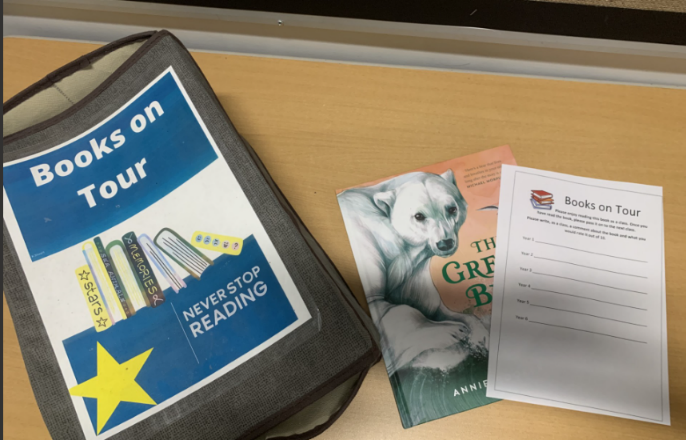 Book swaps and give-aways, ensuring all children have access to books at home.
- Participation in the Derby Book Festival, including free books, play-based activities and involvement in the Derby Children’s Picture Book Award.
- Meet the Author events, giving children the exciting opportunity to hear directly from writers and learn about the creative process.
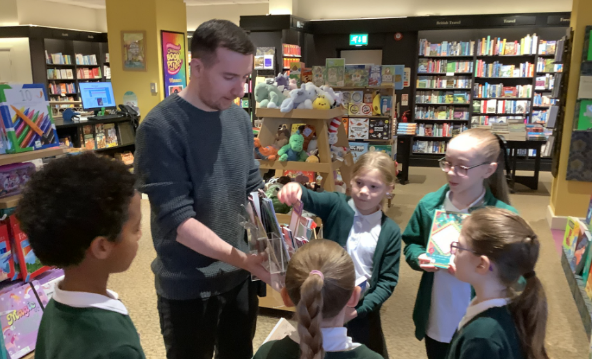
- Everyday Reading opportunities supported through links with Waterstones.
- Celebrations such as World Book Day, including quizzes and themed activities.
- Visits and workshops with authors and poets, bringing stories and poetry to life.
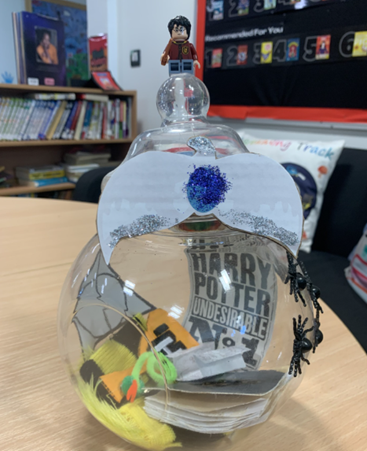
- Creative activities such as Book in a Jar and reading in unusual places, making reading fun and memorable
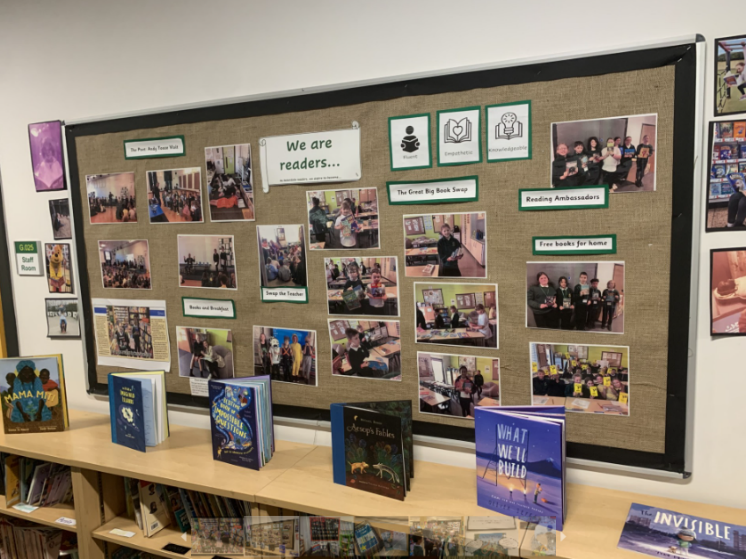
- Our Reading Ambassadors, who help promote books and a love of reading across the school.
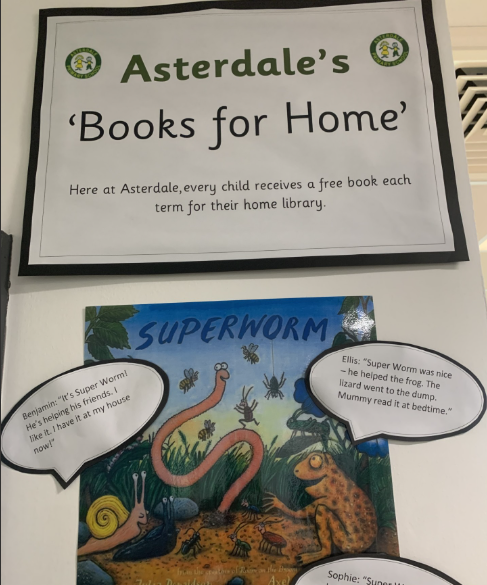
- Free books for home, ensuring every child can enjoy reading beyond the classroom.
- Library cards and links with the local library.
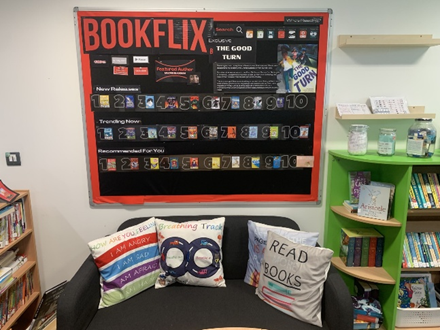
- Book corners in classrooms to create social reading environments.
 Through these experiences, we aim to make reading meaningful, inclusive and exciting for all our children. At Asterdale Primary School, reading for pleasure is not an add-on—it is a vital part of who we are and how we help our children grow into confident, capable and enthusiastic readers.
Writing at Asterdale
Literacy Tree
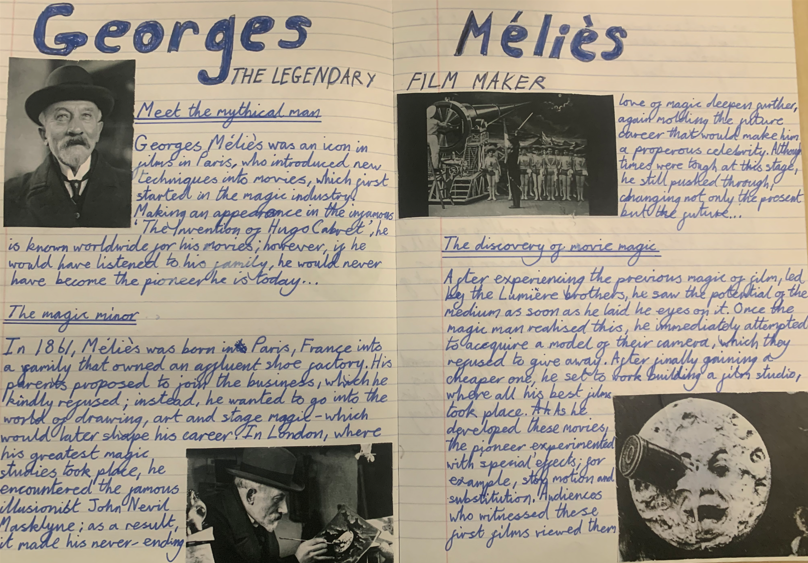
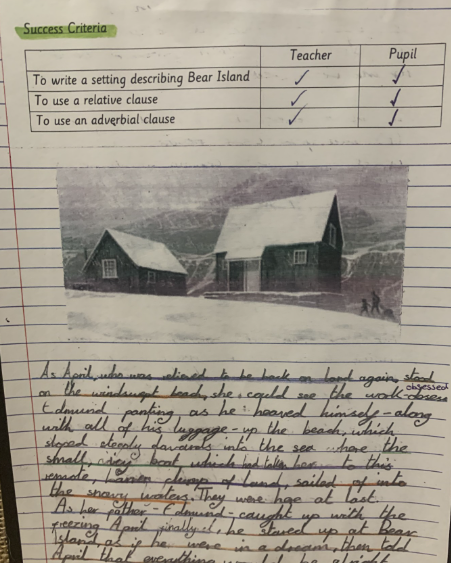
We use the Literacy Tree scheme of work to deliver high-quality English teaching across the primary phase. Literacy Tree is a whole-school approach to writing that is built around high-quality children’s literature. Each unit is carefully designed to immerse pupils in rich, engaging texts and to develop their skills as confident readers, writers, and communicators.
The scheme supports a clear progression of skills from Year 1 through to Year 6. Lessons are structured to develop vocabulary, reading comprehension, grammar, and writing outcomes in a meaningful and purposeful way. Through carefully planned sequences, pupils explore texts deeply, learn how language works, and apply their skills to a range of writing genres.
We have chosen Literacy Tree because it:
- Places quality texts at the heart of learning, fostering a love of reading
- Provides clear progression and consistency across year groups
- Supports teachers with well-structured, adaptable planning
- Encourages creativity, discussion, and critical thinking
- Ensures writing is purposeful, engaging, and linked to reading
By implementing Literacy Tree, we aim to give all pupils access to rich literary experiences, develop strong literacy foundations, and equip children with the skills they need to succeed across the curriculum and beyond.
Rainbow Grammar
To complement our Literacy Tree English curriculum, we use Jason Wade’s Rainbow Grammar to teach grammar in a clear, consistent, and engaging way across the school.
Rainbow Grammar is a visual approach to grammar that helps children understand how language works by colour-coding different word types and sentence structures. This approach makes grammar accessible for all learners and supports children in identifying, building, and improving sentences with confidence.
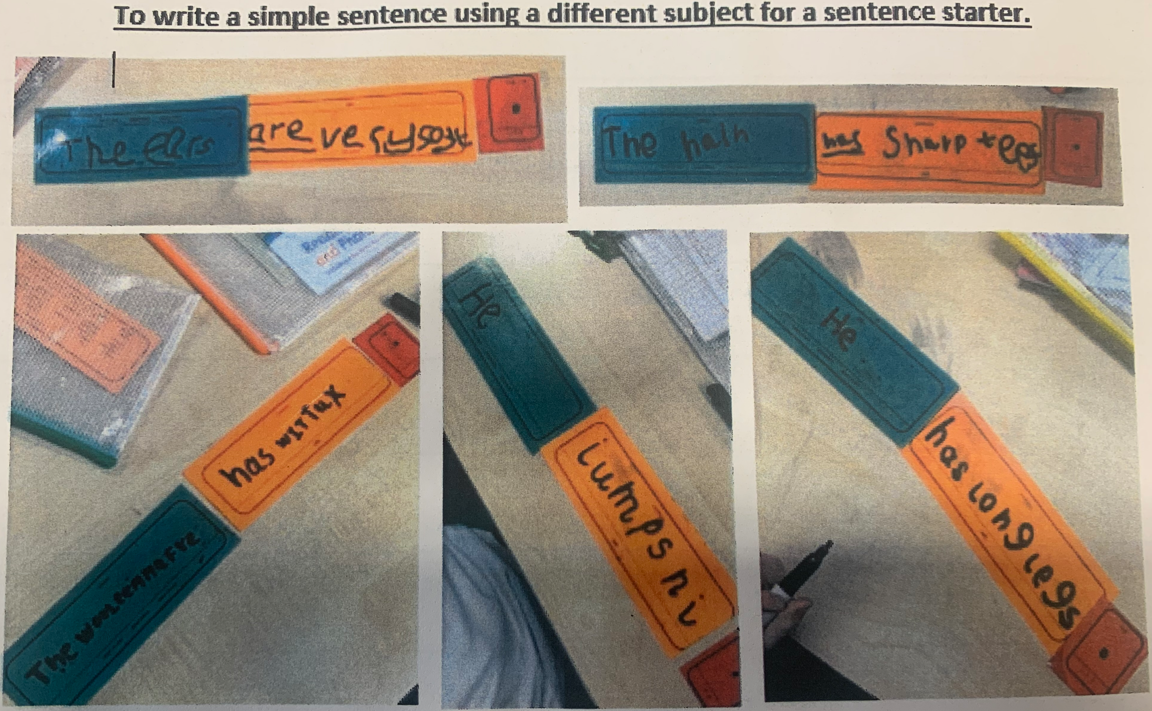
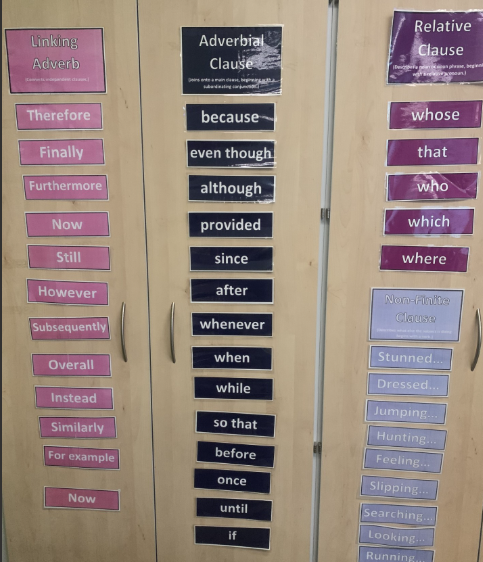
The scheme provides a progressive and consistent framework from Year 1 through to Year 6, ensuring that key grammatical concepts are revisited, reinforced, and built upon year after year. Children learn not just to identify grammatical features, but to understand their purpose and apply them meaningfully in their speaking and writing.
We use Rainbow Grammar because it:
- Creates a shared language for grammar across the whole school
- Supports clear progression in grammatical understanding
- Makes grammar visual, engaging, and memorable
- Helps children apply grammar confidently within their writing
- Complements the text-based approach of Literacy Tree
By combining Literacy Tree with Rainbow Grammar, we ensure that grammar is taught explicitly and consistently, while being firmly embedded in high-quality reading and writing experiences. This integrated approach supports children in becoming confident, accurate, and effective communicators.
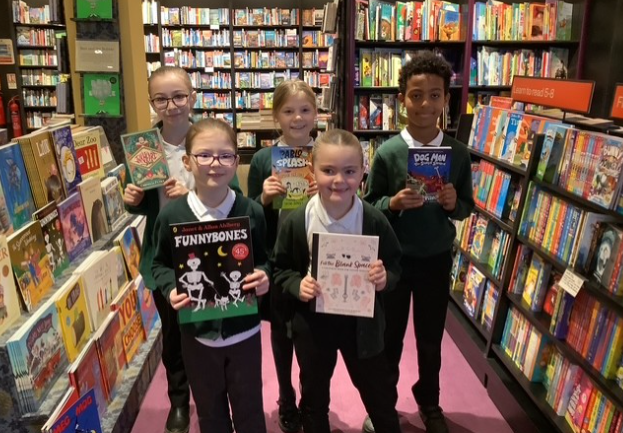
Everyday Readers
This is our first group of children who have won a reward for our new initiative for reading at home, ‘Everyday Reading’ where children read at home five days a week for five minutes.